

Your Gateway to
International Education
From visa applications and university admissions to scholarships and pre-departure support — ManGo Travels is your trusted partner for studying in the world's best institutions.
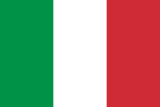
Study in the heart of European art, culture, and innovation. Italy is home to some of the world's oldest and most prestigious universities, with affordable tuition and a rich student lifestyle.
Key Facts
Italy Study Visa Process
The Italian Type D Student Visa is processed through the Italian Embassy. The process typically takes 30–90 days.
University Admission
Apply and receive an official Letter of Acceptance from an Italian university (pubblico or privato). Pre-enrolment through the Italian University portal may be required.
Pre-Enrolment (if required)
Submit your pre-enrolment application at the Italian Embassy in Dhaka between March–May for the following academic year (DOES window).
Prepare Documents
Gather all required documents including passport, acceptance letter, financial proof, accommodation details, and academic transcripts.
Submit Visa Application
Book an appointment at the Italian Embassy in Dhaka and submit your complete Type D Student Visa application with all supporting documents.
Biometric Appointment
Attend the biometric data collection appointment at the Visa Application Centre (VFS Global).
Receive Visa & Travel
Collect your visa (processing: 30–90 days). Upon arrival in Italy, apply for a Permesso di Soggiorno (residence permit) within 8 working days.
Top Universities in Italy
Italy has the oldest universities in the world. Many offer programmes in English for international students.
University of Bologna
Politecnico di Milano
Sapienza University of Rome
Politecnico di Torino
University of Padua
University of Milan
Admission Process — Italy
Italian universities have two main intakes: October (main) and February (some programmes). Apply 4–6 months in advance.
Choose Programme
Select your course, university, and confirm English or Italian language requirement.
Check Requirements
Review academic entry requirements — GPA, language certificates (IELTS/Italian), and prerequisite subjects.
Apply Online
Submit your application via the university's online portal or Universitaly platform with academic documents.
Credential Evaluation
Some universities require your foreign qualifications to be evaluated and a Declaration of Value obtained from the Italian Embassy.
Entrance Test (if required)
Some programmes (Medicine, Architecture) require passing an entrance examination before final admission.
Accept Offer & Enrol
Accept your conditional/unconditional offer, pay the enrolment fee, and receive your official acceptance letter for your visa.
Documents Required — Italy Student Visa
All documents must be in English or Italian. Non-English documents must be officially translated and notarised.
Valid Passport
Minimum 6 months validity beyond the intended stay, with at least 2 blank pages.
University Acceptance Letter
Official letter of admission from an Italian university confirming your enrolment.
Proof of Financial Means
Bank statement showing minimum €6,000/year for living expenses (updated within 3 months).
Proof of Accommodation
University dormitory booking, rental agreement, or host family letter for your stay in Italy.
Academic Transcripts
Certified copies of all previous academic qualifications with official English/Italian translation.
IELTS / Language Certificate
Minimum IELTS 5.5–6.5 for English programmes or Italian language certificate for Italian-taught courses.
Travel/Medical Insurance
Comprehensive health insurance valid in Italy for the full duration of your studies.
Visa Application Form
Completed and signed Italian national (Type D) long-stay visa application form.
Passport Photographs
2 recent passport-size photographs meeting Italian Embassy specifications.
Declaration of Value (DV)
Certificate from the Italian Embassy evaluating your foreign academic qualifications (required by many universities).
Cost of Studying in Italy
Italy offers some of the most affordable university education in Western Europe, especially compared to the UK and US.
Annual Tuition
Public universities — income-based fee structure. Private universities may charge up to €15,000/year.
Monthly Rent
Student accommodation in major cities. University dormitories are significantly cheaper.
Monthly Living
Food, transport, utilities, and personal expenses per month for a student in Italy.
Visa Fee
Italian long-stay Type D visa application fee (non-refundable).
Health Insurance
Students from non-EU countries must purchase private health insurance for the duration of their studies.
Total Annual Budget
Estimated total annual cost including tuition, accommodation, and living expenses.
Admission Process — Italy
Italian universities have two main intakes: October (main) and February (some programmes). Apply 4–6 months in advance.
Choose Programme
Select your course, university, and confirm English or Italian language requirement.
Check Requirements
Review academic entry requirements — GPA, language certificates (IELTS/Italian), and prerequisite subjects.
Apply Online
Submit your application via the university's online portal or Universitaly platform with academic documents.
Credential Evaluation
Some universities require your foreign qualifications to be evaluated and a Declaration of Value obtained from the Italian Embassy.
Entrance Test (if required)
Some programmes (Medicine, Architecture) require passing an entrance examination before final admission.
Accept Offer & Enrol
Accept your conditional/unconditional offer, pay the enrolment fee, and receive your official acceptance letter for your visa.
Documents Required — Italy Student Visa
All documents must be in English or Italian. Non-English documents must be officially translated and notarised.
Valid Passport
Minimum 6 months validity beyond the intended stay, with at least 2 blank pages.
University Acceptance Letter
Official letter of admission from an Italian university confirming your enrolment.
Proof of Financial Means
Bank statement showing minimum €6,000/year for living expenses (updated within 3 months).
Proof of Accommodation
University dormitory booking, rental agreement, or host family letter for your stay in Italy.
Academic Transcripts
Certified copies of all previous academic qualifications with official English/Italian translation.
IELTS / Language Certificate
Minimum IELTS 5.5–6.5 for English programmes or Italian language certificate for Italian-taught courses.
Travel/Medical Insurance
Comprehensive health insurance valid in Italy for the full duration of your studies.
Visa Application Form
Completed and signed Italian national (Type D) long-stay visa application form.
Passport Photographs
2 recent passport-size photographs meeting Italian Embassy specifications.
Declaration of Value (DV)
Certificate from the Italian Embassy evaluating your foreign academic qualifications (required by many universities).
Cost of Studying in Italy
Italy offers some of the most affordable university education in Western Europe, especially compared to the UK and US.
Annual Tuition
Public universities — income-based fee structure. Private universities may charge up to €15,000/year.
Monthly Rent
Student accommodation in major cities. University dormitories are significantly cheaper.
Monthly Living
Food, transport, utilities, and personal expenses per month for a student in Italy.
Visa Fee
Italian long-stay Type D visa application fee (non-refundable).
Health Insurance
Students from non-EU countries must purchase private health insurance for the duration of their studies.
Total Annual Budget
Estimated total annual cost including tuition, accommodation, and living expenses.

The UK is home to some of the world's most prestigious universities. A UK degree is globally recognised, and graduates have access to a 2-year post-study work visa.
Key Facts
UK Student Visa Process
The UK Student Visa (formerly Tier 4) is applied online via the UKVI portal. Processing takes approximately 3 weeks.
Receive CAS from University
After accepting your offer, your UK university will issue a Confirmation of Acceptance for Studies (CAS) number — required for your visa application.
Apply Online (UKVI)
Complete the UK Student Visa application online at gov.uk/student-visa at least 6 months before your course starts (but no earlier).
Pay Visa Fee & IHS
Pay the visa application fee (£363) and the Immigration Health Surcharge (£470/year) giving access to the NHS.
Biometrics Appointment
Book and attend a biometric enrolment appointment at a UKVI Visa Application Centre in Dhaka.
Decision & BRP Card
Visa decision in approximately 3 weeks. Your Biometric Residence Permit (BRP) will be collected in the UK after arrival.
Top Universities in the UK
The UK is home to 4 of the world's top 10 universities. Russell Group universities are considered the most prestigious.
University of Oxford
University of Cambridge
Imperial College London
UCL (London)
University of Edinburgh
University of Manchester
Admission Process — UK
Undergraduate applications go through UCAS. Postgraduate applications are made directly to universities. Apply by January for September intake.
UCAS / Direct Apply
Undergrad: apply via UCAS (max 5 choices). Postgrad: apply directly to the university's online portal.
Personal Statement
Write a compelling 4,000-character personal statement demonstrating your passion and suitability for the course.
Academic References
Submit 1–2 academic references from teachers or professors familiar with your academic ability.
Receive & Accept Offer
Review your conditional or unconditional offer. Accept your firm and insurance choices on UCAS (undergrad).
Meet Conditions
Meet any academic conditions (grades, English test scores) — your offer will then become unconditional.
Receive CAS Number
Enrol, pay deposit, and receive your CAS (Confirmation of Acceptance for Studies) number to begin your visa.
Documents Required — UK Student Visa
All documents must be in English. Foreign language documents must be officially translated.
Valid Passport
Valid for the full duration of your studies in the UK.
CAS Number
Confirmation of Acceptance for Studies (CAS) reference number from your UK university.
Proof of Financial Funds
Bank statements showing £1,334/month (London) or £1,023/month (elsewhere) held for 28 consecutive days.
IELTS Academic Certificate
Minimum IELTS score of 5.5–7.0 depending on course and university requirements.
Academic Transcripts & Certificates
All previous educational qualifications with certified English translations.
Unconditional Offer Letter
Official unconditional offer letter from your UK university confirming your place.
TB Test Certificate
Tuberculosis (TB) test certificate from a UKVI-approved clinic in Bangladesh (mandatory).
ATAS Certificate (if required)
Academic Technology Approval Scheme clearance required for certain postgraduate science/tech subjects.
Cost of Studying in the UK
The UK is one of the more expensive study destinations, but the quality of education and career outcomes justify the investment.
Annual Tuition
Varies by university and course. Medical degrees can cost up to £50,000/year.
Monthly Rent
Higher in London; more affordable in cities like Manchester, Leeds, and Edinburgh.
Monthly Living
Includes food, transport, utilities, and personal expenses.
Visa Fee
Student visa fee (£363) plus Immigration Health Surcharge (£470/year of study).
Scholarships Available
Fully-funded Chevening Scholarships and GREAT Scholarships available for Bangladeshi students.
Total Annual Budget
Estimated total annual cost including tuition, accommodation, and living expenses.

Germany offers world-class tuition-free or very low-cost university education at public institutions. It is the most popular non-English-speaking study destination in the world.
Key Facts
Germany Student Visa Process
The German Student Visa (National Visa, Type D) is applied at the German Embassy in Dhaka. Processing takes 6–12 weeks.
University Admission
Receive a conditional or unconditional Letter of Admission from a German university (Zulassungsbescheid).
Open Blocked Account (Sperrkonto)
Open a German blocked bank account (e.g., Deutsche Bank, Fintiba, Expatrio) and deposit €11,208/year (€934/month) as proof of funds. This is mandatory.
Book Embassy Appointment
Book your visa appointment at the German Embassy in Dhaka via the online appointment system (often booked 2–3 months in advance).
Submit Application
Attend your embassy appointment and submit your complete visa application with all supporting documents.
Receive Visa & Travel
Processing takes 6–12 weeks. Upon arrival in Germany, register with the local Einwohnermeldeamt (registration office) and apply for your residence permit.
Top Universities in Germany
Germany has 400+ internationally recognised universities. Public universities charge no tuition — only a small semester fee (€150–500).
TU Munich (TUM)
LMU Munich
Heidelberg University
Humboldt University Berlin
RWTH Aachen
University of Frankfurt
Admission Process — Germany
Applications are submitted via uni-assist or directly to universities. Summer semester starts April; Winter semester starts October.
Choose Programme
Select course and university. Check if the programme is taught in English or German and language requirements.
Language Certificate
German-taught: TestDaF or DSH certificate. English-taught: IELTS 6.0+ or TOEFL 80+.
Apply via uni-assist
Most universities use the uni-assist platform for international student applications. Upload all documents and pay the processing fee (€75 first, €30 per additional).
APS Certificate
Bangladeshi students must obtain an APS (Academic Evaluation Centre) certificate to verify academic credentials before admission.
Receive Admission Letter
Receive your Zulassungsbescheid (conditional or unconditional letter of admission) from the university.
Enrol & Apply for Visa
Pay semester fee, complete enrolment, and use your admission letter to apply for the German Student Visa.
Documents Required — Germany Student Visa
All documents must be in German or English. Bangladeshi documents require certified German translation (beglaubigte Übersetzung).
Valid Passport
Valid for at least 12 months beyond the planned stay, with at least 2 blank pages.
University Admission Letter
Zulassungsbescheid — official letter of admission from a German university.
Blocked Account (Sperrkonto)
Proof of a German blocked bank account containing at least €11,208 (€934/month).
APS Certificate
Mandatory Academic Evaluation Centre certificate for students from Bangladesh.
Language Certificate
TestDaF / DSH for German programmes or IELTS/TOEFL for English-taught programmes.
Academic Transcripts
All degrees and grade certificates with certified German translations.
CV / Motivation Letter
Detailed academic CV and a well-written letter of motivation for your chosen programme.
Health Insurance
Proof of German statutory or private health insurance valid from the start of your studies.
Accommodation Proof
Proof of student dormitory booking or private accommodation arrangement in Germany.
Visa Application Form
Completed German National Visa application form signed by the applicant.
Cost of Studying in Germany
Germany is one of the best value study destinations in the world — public universities charge no tuition fees for international students.
Annual Tuition
Public universities charge only a semester contribution (€150–500). No tuition fees.
Monthly Rent
Student housing (Studentenwohnheim) is significantly cheaper than private rentals.
Monthly Living
Includes food (student canteens/Mensa are subsidised), transport, and personal expenses.
Blocked Account
Mandatory Sperrkonto — released monthly (€934/month) for living expenses after arrival.
Visa Fee
German National Visa fee. APS certificate: BDT 22,000 approximately.
Total Annual Budget
Estimated total annual budget for a student in Germany (excl. tuition — it's free!).

Canada is one of the most popular study destinations globally — offering world-class universities, post-graduate work rights, and a clear pathway to Permanent Residency.
Key Facts
Canada Study Permit Process
Canada's Study Permit is applied online via IRCC. The Student Direct Stream (SDS) offers faster processing (20 days) for eligible applicants.
Receive Letter of Acceptance
Obtain an official Letter of Acceptance (LOA) from a Designated Learning Institution (DLI) in Canada.
Choose SDS or Regular Stream
SDS (faster, 20 days): requires IELTS 6.0+, GIC of CAD $10,000, and upfront tuition payment. Regular stream: standard processing 8–12 weeks.
Apply Online via IRCC
Create an IRCC account and submit your Study Permit application online with all required documents.
Biometrics
Pay the biometrics fee (CAD $85) and attend a biometrics appointment at the VAC in Dhaka.
Receive PAL & Travel
Receive your Port of Entry Letter of Introduction (PAL). The actual Study Permit is issued upon arrival at the Canadian border.
Top Universities in Canada
Canada has 223 Designated Learning Institutions (DLIs). The top research universities are members of the U15 Group.
University of Toronto
UBC Vancouver
McGill University
University of Waterloo
University of Alberta
McMaster University
Admission Process — Canada
Canadian universities have two main intakes: September (fall) and January (winter). Apply 6–12 months in advance.
Research & Shortlist
Research DLIs, compare programmes, tuition fees, and post-graduate outcomes. Shortlist 3–5 universities.
Language Test
Take IELTS Academic (minimum 6.0–7.0 depending on university) or TOEFL iBT (80–100).
Apply Online
Submit applications directly through each university's portal or via the Ontario (OUAC) application system.
Submit Documents
Upload transcripts, certificates, SOP (Statement of Purpose), references, and any portfolio or test scores.
Receive Offer
Review conditional or unconditional offers. Accept your preferred offer and pay the tuition deposit.
Receive LOA & Apply for Permit
Receive your official Letter of Acceptance and immediately apply for your Canadian Study Permit.
Documents Required — Canada Study Permit
SDS applicants have a simplified document list. Non-SDS applicants may need to provide additional financial documents.
Valid Passport
Passport valid for the entire duration of your studies in Canada.
Letter of Acceptance (DLI)
Official acceptance letter from a Canadian Designated Learning Institution.
IELTS Academic (6.0+)
Required for SDS. All 4 bands must meet the minimum requirement.
GIC (Guaranteed Investment Certificate)
CAD $10,000 GIC from a participating Canadian bank — required for SDS applicants.
Proof of Tuition Payment
Receipt of first year's tuition fee payment to the university (SDS requirement).
Academic Transcripts & Certificates
All educational qualifications with official English translations if required.
Medical Examination
Completed by a IRCC-designated physician — required for stays longer than 6 months.
Statement of Purpose (SOP)
A detailed essay explaining why you chose Canada, your course, and your career plans.
Cost of Studying in Canada
Canada offers excellent value for money — especially considering post-graduation work rights and a clear path to Permanent Residency.
Annual Tuition
Varies by programme. Engineering and business are typically higher.
Monthly Rent
Higher in Toronto and Vancouver. More affordable in smaller cities.
Monthly Living
Includes food, transport, utilities, and personal expenses.
GIC Required
Mandatory for SDS applications — released monthly after arrival in Canada.
Visa + Biometrics
Study Permit application fee (CAD $150) plus biometrics fee (CAD $85).
Total Annual Budget
Estimated total annual cost including tuition, accommodation, and living expenses.

Australia is the 3rd most popular study destination globally with 7 of the world's top 100 universities. Its post-study Graduate Visa allows up to 6 years of work experience.
Key Facts
Australia Student Visa Process (Subclass 500)
The Australian Student Visa (Subclass 500) is applied online via ImmiAccount. Processing typically takes 4–8 weeks.
University Admission
Apply and receive a Confirmation of Enrolment (CoE) from a registered Australian education provider (CRICOS).
Apply via ImmiAccount
Create an ImmiAccount on the Australian Department of Home Affairs website and lodge your Subclass 500 Student Visa application online.
GTE Statement
Submit a compelling Genuine Temporary Entrant (GTE) statement explaining why you genuinely intend to study in Australia and return home afterwards.
Health Examination
Complete a mandatory health examination at an Australian Government-approved panel physician in Bangladesh.
Receive Visa Grant
Processing takes 4–8 weeks. You will receive a visa grant letter via email — there is no physical visa sticker.
Top Universities in Australia
The prestigious Group of Eight (Go8) universities are Australia's leading research institutions and globally recognised.
University of Melbourne
University of Sydney
ANU Canberra
University of Queensland
Monash University
UNSW Sydney
Admission Process — Australia
Australian universities have two intakes: February (Semester 1) and July (Semester 2). Apply 3–6 months in advance.
Select CRICOS Provider
Choose a university registered on CRICOS (Commonwealth Register of Institutions and Courses for Overseas Students).
English Proficiency
IELTS 6.0–7.0 (Academic) or PTE Academic 50–65+ depending on the course requirements.
Apply Online
Submit your application through the university's website with all required documents and application fee.
Receive Offer Letter
Review your conditional or unconditional Offer of Admission from the university.
Accept & Pay Deposit
Accept your offer, pay the required tuition deposit, and the university will issue your Confirmation of Enrolment (CoE).
Receive CoE & Apply Visa
Use your CoE number to lodge your Australian Student Visa (Subclass 500) via ImmiAccount.
Documents Required — Australia Student Visa (Subclass 500)
All documents must be in English or certified translated. The GTE statement is the most critical component of the application.
Valid Passport
Passport valid for at least 6 months beyond your intended period of stay in Australia.
Confirmation of Enrolment (CoE)
Electronic CoE issued by your Australian CRICOS-registered education provider.
GTE Statement
Genuine Temporary Entrant statement — a critical written statement about your study intentions.
IELTS / PTE Academic
IELTS Academic 6.0+ or PTE Academic 50+ (band requirements vary by course).
Financial Evidence
Bank statements showing AUD $21,041/year for living expenses plus tuition and travel costs.
Academic Transcripts
All educational qualifications with official English translations.
Health Examination
Completed by an Australian Government-approved panel physician in Bangladesh.
OSHC Insurance
Overseas Student Health Cover (OSHC) — mandatory for the full duration of your studies.
Cost of Studying in Australia
Australia is a premium destination — the high tuition costs are offset by excellent post-study work rights and career prospects.
Annual Tuition
Medical and veterinary degrees can cost up to AUD $65,000/year.
Monthly Rent
Higher in Sydney and Melbourne. More affordable in Brisbane, Adelaide, and Perth.
Monthly Living
Includes food, transport, and personal expenses for a student in Australia.
OSHC Insurance
Overseas Student Health Cover — mandatory for all international students.
Visa Fee
Student Visa Subclass 500 application fee (non-refundable).
Total Annual Budget
Estimated total annual cost including tuition, accommodation, and living expenses.

Finland — the world's happiest country — offers world-class education with many English-taught programmes. Non-EU students pay tuition but benefit from low living costs and scholarships.
Key Facts
Finland Student Residence Permit Process
Finnish student permits are applied via the Enter Finland online portal or at the Finnish Embassy. Processing takes 30–90 days.
University Admission
Apply to a Finnish university and receive an official Letter of Admission (acceptance letter) confirming your place.
Apply via Enter Finland
Create an account on enterfinland.fi and submit your online residence permit application for studies before travelling to Finland.
Visit Finnish Embassy
Book an appointment at the Finnish Embassy in Dhaka to submit original documents, pay the fee (€350), and provide biometrics.
Decision by Migri
Finnish Immigration Service (Migri) processes your application (30–90 days). You will be notified via the Enter Finland portal.
Collect Permit & Travel
Collect your residence permit card from the embassy. Register with the local Digital and Population Data Services Agency (DVV) upon arrival.
Top Universities in Finland
Finland has 13 universities and 22 universities of applied sciences (AMKs). Many offer Bachelor's and Master's programmes in English.
University of Helsinki
Aalto University
University of Tampere
University of Turku
University of Oulu
LUT University
Admission Process — Finland
Most Finnish universities have one annual intake in September. Applications open in January and close in January–March. Apply through studyinfo.fi.
studyinfo.fi Portal
Browse and apply to Finnish higher education programmes via the national studyinfo.fi portal.
Language Requirements
English programmes: IELTS 6.0–6.5 or TOEFL 80+. Some programmes have specific minimum requirements per band.
Entrance Exam / Portfolio
Many Finnish programmes require an entrance exam, portfolio, or motivation letter as part of the selection process.
Admission Result
Results are published in April–May. You will receive an offer letter if selected by the university.
Accept & Pay Tuition
Accept your study place, pay the first semester tuition fee, and confirm your enrolment with the university.
Apply for Residence Permit
Use your acceptance letter to apply for a Finnish Residence Permit for Studies via Enter Finland.
Documents Required — Finland Student Residence Permit
Documents must be in Finnish, Swedish, or English. All foreign documents need official English translation.
Valid Passport
Passport valid for the duration of your studies in Finland.
Acceptance Letter
Official letter of admission from a Finnish university confirming enrolment.
Proof of Tuition Payment
Receipt of first semester or annual tuition fee payment to the university.
Proof of Financial Means
Bank statement showing minimum €560/month (€6,720/year) for living expenses.
IELTS / Language Certificate
Minimum IELTS 6.0 or equivalent for English-taught programmes.
Academic Transcripts
All educational certificates with official English translations.
Health Insurance
Comprehensive health insurance valid in Finland for the permit duration.
Passport Photographs
Biometric passport-size photographs as per Finnish Embassy specifications.
Cost of Studying in Finland
Finland is affordable for EU students (free tuition) and reasonably priced for non-EU students compared to other Nordic nations.
Annual Tuition
For non-EU/EEA students. EU students study free. Scholarships can cover partial or full tuition.
Monthly Rent
HOAS student housing in Helsinki. More affordable in Tampere, Turku, and Oulu.
Monthly Living
Includes subsidised Kela meals at universities, transport, and personal expenses.
Permit Fee
First residence permit for studies fee, paid at the Finnish Embassy.
EDUFI Scholarships
Finnish Government EDUFI Fellowships and university-specific tuition fee waivers available.
Total Annual Budget
Estimated total annual cost including tuition, accommodation, and living expenses.

Norway offers free tuition at public universities for ALL students regardless of nationality — making it one of the best value destinations for international students in the world.
Key Facts
Norway Student Residence Permit Process
Norwegian student permits are applied through the UDI (Norwegian Directorate of Immigration) online portal. Processing takes 4–10 weeks.
University Admission
Receive an official Letter of Admission from a Norwegian university confirming your place on a full-time degree programme.
Apply via UDI Portal
Submit your student residence permit application online at udi.no. The application must be submitted before you travel to Norway.
Pay Fee & Book Appointment
Pay the application fee (NOK 3,800) and book an appointment at the Norwegian Embassy in New Delhi (nearest accredited embassy) to submit biometrics.
Decision by UDI
UDI processes your application (4–10 weeks). You will receive a decision letter and a temporary access visa to enter Norway.
Collect Permit in Norway
Travel to Norway and collect your residence permit card from the police district within 1 week of arrival. Register with the National Registry.
Top Universities in Norway
Norway has 21 state universities and 4 specialised universities, all offering free tuition. Many offer English-medium Master's programmes.
University of Oslo
University of Bergen
NTNU Trondheim
UiT — Arctic University
NMBU
University of Stavanger
Admission Process — Norway
Norwegian universities have one main intake (August). The application deadline is typically 1 December for the following August start.
Search Programmes
Browse English-taught Master's programmes on the universities' websites. Most Bachelor's degrees are taught in Norwegian.
Language Requirements
English taught: IELTS 6.5+ or TOEFL iBT 90+. Norwegian taught: Norwegian B2 level certificate required.
Apply Directly
Apply directly through the university's online application portal, submitting all academic documents and motivation letter.
Document Evaluation
NOKUT (Norwegian Agency for Quality Assurance in Education) may be required to evaluate your foreign qualifications.
Accept Offer
Receive your admission letter, accept your place, and confirm enrolment with the university before the deadline.
Apply for Permit
Use your admission letter to apply for your Norwegian Student Residence Permit via the UDI online portal.
Documents Required — Norway Student Residence Permit
All documents must be in Norwegian or English. Foreign documents require certified English translation.
Valid Passport
Passport valid for the full duration of your studies in Norway.
Admission Letter
Official letter of admission from a Norwegian university for a full-time degree programme.
Proof of Financial Means
Proof of NOK 137,907/year (approx. NOK 11,500/month) in a Norwegian or foreign bank account.
IELTS / Language Certificate
Minimum IELTS 6.5 or TOEFL iBT 90 for English-medium programmes.
Academic Transcripts
Certified copies of all previous educational qualifications.
Accommodation Proof
Confirmed student accommodation booking or housing arrangement in Norway.
Health Insurance
Valid health insurance for the initial period before you become entitled to the Norwegian National Health Service.
Passport Photographs
Biometric passport photographs for the residence permit application and card.
Cost of Studying in Norway
Norway has no tuition fees at public universities — making it the most cost-effective study destination despite a high cost of living.
Annual Tuition
Public Norwegian universities charge no tuition fees for any nationality — only a semester fee (~NOK 600).
Monthly Rent
Student housing (SiO in Oslo) is subsidised. Private rentals are significantly more expensive.
Monthly Living
Norway has a high cost of living. Food, transport, and entertainment are all expensive compared to other EU countries.
Permit Fee
UDI student residence permit application fee (non-refundable).
Scholarships
Norway's Quota Scheme offers full scholarships to students from developing countries including Bangladesh.
Total Annual Budget
Estimated total living cost (no tuition). High but offset by work rights and free education.
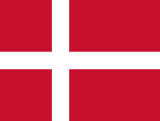
Denmark is a world-leader in engineering, design, and sustainability. With strong English-taught programmes and a prestigious research reputation, it attracts students from over 130 countries.
Key Facts
Denmark Student Residence Permit Process
Danish student permits are applied via SIRI (Danish Agency for International Recruitment and Integration). Processing takes 30–60 days.
University Admission
Receive your official Letter of Admission from a Danish university recognised by the Danish Accreditation Institution.
Apply via SIRI Online
Submit your student residence permit application at siri.dk before you travel to Denmark.
Pay Fee & Biometrics
Pay the application fee (DKK 2,055) and visit the Danish Embassy for biometric enrolment.
Decision & Entry Visa
SIRI processes your application (30–60 days). You receive an entry visa to travel to Denmark while waiting for your card.
Collect Permit & Register
Collect your residence permit card in Denmark. Register with the municipality (CPR number) within 5 days of arrival.
Top Universities in Denmark
Denmark has 8 universities and several business schools. All offer extensive English-taught programmes at Bachelor's and Master's level.
University of Copenhagen
DTU (Tech. Univ. Denmark)
Aarhus University
CBS Copenhagen
University of Southern Denmark
Aalborg University
Admission Process — Denmark
Danish universities have one main intake (September). Application deadlines are typically January–March for September start.
Research Programmes
Browse English-taught programmes on the university websites. Many Master's degrees are taught in English.
Language Requirements
IELTS 6.5+ or TOEFL iBT 88+ for English programmes. Danish A2-B1 for Danish-medium programmes.
Apply Directly / Via Portal
Apply directly to the university's online portal or via the coordinated application system (for some institutions).
Credential Evaluation
CIRIUS or the university's international office evaluates your foreign qualifications for Danish equivalency.
Receive & Accept Offer
Accept your conditional/unconditional admission offer and confirm your place by the university's deadline.
Apply for Permit (SIRI)
Use your admission letter to apply for a Danish Student Residence Permit via the SIRI portal.
Documents Required — Denmark Student Residence Permit
All documents must be in Danish or English. Foreign documents require official certified translation.
Valid Passport
Passport valid for the duration of your studies and residence permit in Denmark.
Admission Letter
Official letter of admission from a Danish university for a full-time accredited programme.
Proof of Financial Means
Bank statement showing minimum DKK 5,981/month for living expenses (equivalent to SU student grant level).
IELTS / Language Certificate
IELTS 6.5+ or TOEFL iBT 88+ for English-taught programmes.
Academic Transcripts
Certified copies of all previous educational qualifications with English translations.
Accommodation Proof
Student housing confirmation or rental agreement in Denmark.
Health Insurance
Private health insurance covering the initial period before CPR registration grants NHS access.
Passport Photographs
Biometric passport-sized photographs meeting Danish specifications.
Cost of Studying in Denmark
Denmark is expensive but the quality of education, work-life balance, and career prospects make it excellent value for ambitious students.
Annual Tuition
EU students study free. Non-EU international students pay tuition fees per programme.
Monthly Rent
Student housing (kollegium) is subsidised. Private rentals in Copenhagen are expensive.
Monthly Living
Includes food, transport (cycling is free!), and personal expenses.
Permit Fee
SIRI student residence permit application fee.
Scholarships
Selected universities offer partial tuition waivers and merit scholarships for top international students.
Total Annual Budget
Estimated total annual cost including tuition, accommodation, and living expenses.

Austria is home to one of Europe's oldest and most prestigious universities, offering excellent education in the heart of Europe at relatively affordable tuition rates.
Key Facts
Austria Student Visa & Permit Process
Austria requires a Student Visa (C) plus a Residence Permit for Students (§64 NAG). The permit is applied before arrival via the Austrian Embassy.
University Admission
Apply to an Austrian university and receive a Zulassung (admission confirmation) or Letter of Conditional Acceptance.
Apply for Student Visa (C)
Apply for a short-stay Student Visa (C) at the Austrian Embassy in Dhaka to allow you to enter Austria initially.
Apply for Residence Permit (§64)
Apply for your Student Residence Permit (§64 NAG) at the Austrian Embassy or the Austrian Representation Office. This is the main long-term permit.
Pay Fee & Biometrics
Pay the residence permit fee (€160) and attend your biometrics appointment at the Embassy.
Travel & Register in Austria
Travel to Austria and register your address with the local Magistrat (municipal office) within 3 days of arrival. Collect your residence permit card.
Top Universities in Austria
Austria has 21 public universities with Vienna being the major student city. Many universities offer English-taught Master's programmes.
University of Vienna
TU Wien
University of Graz
WU Vienna
University of Innsbruck
JKU Linz
Admission Process — Austria
Austrian universities have two intakes: winter semester (October) and summer semester (March). Apply 3–6 months in advance.
Choose Programme
Search programmes on the university website. Confirm language requirements (German or English-taught).
Language Certificate
German-taught: OSD / ÖSD B2/C1 or TestDaF. English-taught: IELTS 6.5+ or TOEFL iBT 90+.
Apply Online
Submit your application directly through the university's online portal with all required documents and application fee.
Nostrifizierung (Recognition)
Some universities may require Nostrifizierung — official recognition/equivalency of your foreign degree in Austria.
Receive Zulassung
Receive your Zulassung (admission) letter or conditional acceptance. Complete final enrolment with the university.
Apply for Permit
Use your admission documents to apply for the Austrian Student Residence Permit (§64 NAG) at the Embassy.
Documents Required — Austria Student Residence Permit
All documents must be in German or English. Foreign documents require certified German or English translation by a sworn translator.
Valid Passport
Passport valid for at least 18 months from the date of application.
University Admission (Zulassung)
Official admission confirmation from an Austrian university for a full-time accredited programme.
Proof of Financial Means
Bank statement showing minimum €953.17/month (12 months = ~€11,438) for living expenses.
Language Certificate
German B2 (OSD/ÖSD/Goethe) or IELTS 6.5+ / TOEFL 90+ for English-taught programmes.
Academic Transcripts
All degrees and certificates with official German or English certified translation.
Proof of Accommodation
Confirmed student dormitory booking or rental contract for accommodation in Austria.
Health Insurance
Austrian-valid health insurance policy for the full duration of your studies.
Birth Certificate
Official birth certificate with certified German or English translation (required for Austrian residence permit).
Passport Photographs
Recent biometric passport photographs meeting Austrian specifications.
Motivation Letter (SOP)
Statement of purpose explaining your academic background and reasons for choosing Austria.
Cost of Studying in Austria
Austria offers affordable tuition compared to Western Europe, with a high standard of living in a beautiful Central European setting.
Annual Tuition
Public universities charge modest fees (€726.72/semester for non-EU). Private universities charge significantly more.
Monthly Rent
Student dormitories (Studentenheim) in Vienna and Graz. More affordable in smaller cities.
Monthly Living
Includes subsidised Mensa meals, Vienna public transport pass (~€1/day for students), and personal expenses.
Permit Fee
§64 Student Residence Permit application fee at the Austrian Embassy.
Scholarships
OeAD Government scholarships and Ernst Mach Grants available for international students including from Bangladesh.
Total Annual Budget
Estimated total annual cost including tuition, accommodation, and living expenses in Austria.
Ready to Start Your Study Abroad Journey? 🎓
Our expert consultants will guide you through every step — from university selection and application to visa approval and departure. Book your free consultation with ManGo Travels today.